




Blog
Why Are My Lights Flickering?
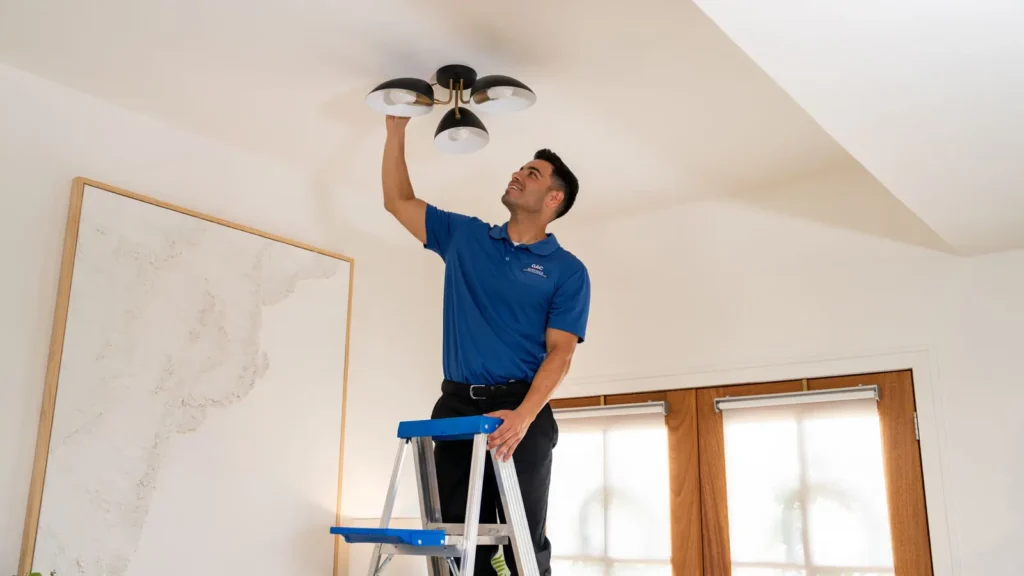
Lights flicker for reasons that range from harmless to hazardous — a loose or incompatible bulb, an LED paired with the wrong dimmer, a loose wiring connection, voltage drops when large appliances start, or a serious problem like a loose neutral in your electrical panel. If a single fixture flickers, it's often an easy fix. If lights flicker throughout the house or you notice buzzing or a burning smell, that can signal a fire risk and should be inspected by a licensed electrician. GAC Services helps homeowners in the Gaithersburg, MD area diagnose flickering lights safely.
Not every flickering light is an emergency, but the pattern of the flicker matters. Understanding what causes lights to flicker can help you decide if you can solve the problem yourself or if it's time to call an electrician before the issue becomes more serious.
Is Flickering One Light or the Whole House?
A single flickering light usually points to a problem with that fixture, while whole house lights flickering often indicates an issue with your home's electrical system or the utility service. Identifying which situation you're dealing with is one of the fastest ways to narrow down the cause.
If only one light flickers, start with the bulb. A loose bulb, a failing LED, or an incompatible dimmer switch is frequently responsible. A loose switch or outlet connection serving that fixture is another possibility.
If multiple lights throughout your home flicker at the same time, the cause is often more serious. A loose neutral connection, a damaged service conductor, or a utility problem can create inconsistent voltage throughout the house. One simple check is to see if nearby neighbors are experiencing the same issue. If they are, contact your utility company. If only your home is affected, schedule an inspection with a licensed electrician because loose electrical connections can lead to dangerous arcing.
Common Causes of Flickering Lights
Several electrical issues can cause lights to flicker, from a simple bulb mismatch to a serious wiring fault. These are the most common causes, roughly in order of severity:
| What you notice | Likely cause |
|---|---|
| One LED flickers, especially when dimmed | Incompatible LED bulb or dimmer switch |
| One fixture flickers, wiggling helps | Loose bulb or loose switch/outlet connection |
| Lights dim when a big appliance starts | Normal voltage fluctuation or an overloaded circuit |
| Many lights flicker across the home | Loose neutral, service conductor, or utility issue |
| Flicker plus buzzing, warmth, or burning smell | Arcing or faulty wiring — call an electrician now |
Incompatible or Failing Bulbs and Dimmers
A failing bulb, or an LED paired with an incompatible dimmer switch, is one of the most common and least serious causes—usually affecting just one fixture.
Loose Bulbs or Wiring Connections
A loose bulb, or a loose connection at the switch or outlet serving a fixture, can interrupt the current and cause intermittent flickering in that light.
Voltage Drops When Large Appliances Start
Some temporary dimming when a large appliance starts can be normal because the appliance draws a high amount of current during startup. However, significant dimming, frequent flickering, or lights that brighten and dim repeatedly deserve a professional evaluation.
Loose Neutral or Aging Wiring
If your home has older electrical wiring or aging electrical equipment, loose electrical connections may develop over time. These connections increase electrical resistance, create heat, and eventually lead to arcing if left uncorrected.
Simple Fixes You Can Try Yourself
Some lighting problems have simple solutions that homeowners can safely try. Limit your troubleshooting to bulbs, switches, and accessible fixtures. Do not open your electrical panel or attempt electrical wiring repairs yourself.
- Tighten the bulb and confirm it's the correct type and wattage for the fixture.
- Replace the bulb with a known-good bulb to rule out a failing lamp.
- For LEDs, verify the bulb supports your dimmer or install a dimmer designed for LED dimming to improve LED dimmer compatibility.
- Reseat a loose plug or tighten a loose switch faceplate screw if needed.
- If flickering affects the entire house, happens repeatedly, or is accompanied by buzzing, heat, or burning odors, stop troubleshooting and call an electrician.
If the problem continues after these basic checks, the issue likely exists inside the electrical system rather than the light fixture itself. Professional electrical inspections can locate loose connections, overloaded circuits, damaged wiring, or service entrance problems before they become larger repairs.
When Flickering Lights Are Dangerous
Flickering lights become dangerous when they indicate loose electrical connections or arcing. These conditions generate extreme heat that can damage wiring insulation and ignite nearby combustible materials.
Safety Warning
If flickering comes with a burning smell, buzzing or sizzling sounds, warm or discolored outlets or switches, or tripping breakers, treat it as urgent. Turn off the affected circuit and call a licensed electrician right away. These are signs of arcing or loose wiring, a leading cause of house fires.
Homeowners often ask whether flickering lights can cause a fire. The flickering itself doesn't start a fire—the loose or damaged wiring causing the flicker is what creates the hazard. Electrical arcing can exceed 10,000°F, making prompt repairs critical whenever these warning signs appear. Electrical failures or malfunctions cause an estimated 51,000 home fires in the United States each year, according to the Electrical Safety Foundation International (ESFI).
So when should you worry about flickering lights? Any whole-house flickering, repeated breaker trips, burning smells, buzzing sounds, or warm electrical devices deserve immediate professional attention.
(240) 224-0192Schedule OnlineWhen to Call GAC Services
If flickering lights continue after basic troubleshooting or you notice signs of loose wiring, don't ignore the problem. GAC Services has served homeowners throughout Gaithersburg, Montgomery County, Frederick County, and Howard County since 1970. Our licensed electricians (MD Electric #14663) are available 24/7 to diagnose electrical problems safely.
Whether you need wiring & rewiring, electrical panel & circuit breaker services, whole-home surge protection, or a complete electrical system evaluation, our team can identify the source of the problem and make the necessary repairs.
Schedule Online or call our main office today to schedule service. For additional electrical safety information, visit the Electrical Safety Foundation International (ESFI) or review residential electrical safety guidance from Schneider Electric.
Frequently Asked Questions
Yes, they can indicate conditions that lead to fires. Flickering lights often point to loose or damaged electrical connections that create arcing and excessive heat. If flickering occurs alongside burning odors, buzzing, or hot outlets, turn off the affected circuit and contact an electrician immediately.
A brief dimming when your air conditioner starts is usually normal, since the compressor draws a surge of current at startup. Larger voltage drops, repeated flickering, or lights dimming throughout the house can indicate an overloaded circuit or a more serious electrical issue that should be inspected.
Yes. Whole-house flickering frequently points to a loose neutral, a failing service connection, or a utility problem. Check whether your neighbors are affected too—if they aren't, contact a licensed electrician promptly.
LED lights most often flicker because of incompatible dimmer switches, failing LED drivers, or poor electrical connections. Replacing the bulb or switching to an LED-compatible dimmer usually solves the problem.
Start by replacing or tightening the bulb. If the flickering continues, affects multiple fixtures, or includes other warning signs like buzzing or breaker trips, schedule professional electrical repair to diagnose the underlying problem.