


When winter hits Maryland, energy bills always seem to climb. It makes sense. Your furnace works nonstop to keep your home warm in places like Montgomery County and Frederick. If that system is running inefficiently, you end up paying for heat you are not even getting.
In Maryland, the first real cold snap always catches a few people off guard. You turn on the heat for the first time in months, and the furnace hesitates or smells dusty. That moment usually means the system needs a little care to get back to full strength before winter sets in.
Small furnace problems can quietly drain energy and money. Fixing those issues early helps your system run smoothly, heat more evenly, and use less fuel.
Why Furnace Efficiency Matters
A clean, tuned furnace uses less energy. It heats your home faster and shuts off once it reaches the set temperature. An inefficient furnace runs longer, uses more gas or electricity, and still leaves rooms cold.
Common signs your furnace is wasting energy:
- It stays on longer than it used to
- Some rooms feel warm while others are still chilly
- Airflow from vents feels weak
- Utility bills are higher than last winter
If you notice these problems, your furnace is probably working harder than it should. Repairs can bring it back to normal efficiency.
Common Furnace Problems That Waste Energy
At GAC Services, we see the same small issues across Maryland homes every winter. Most of them are easy to fix but make a big difference once repaired.
- Dirty filters: When filters clog, airflow drops. The furnace has to run longer to push warm air through. Replacing filters regularly can cut energy use by up to 15 percent.
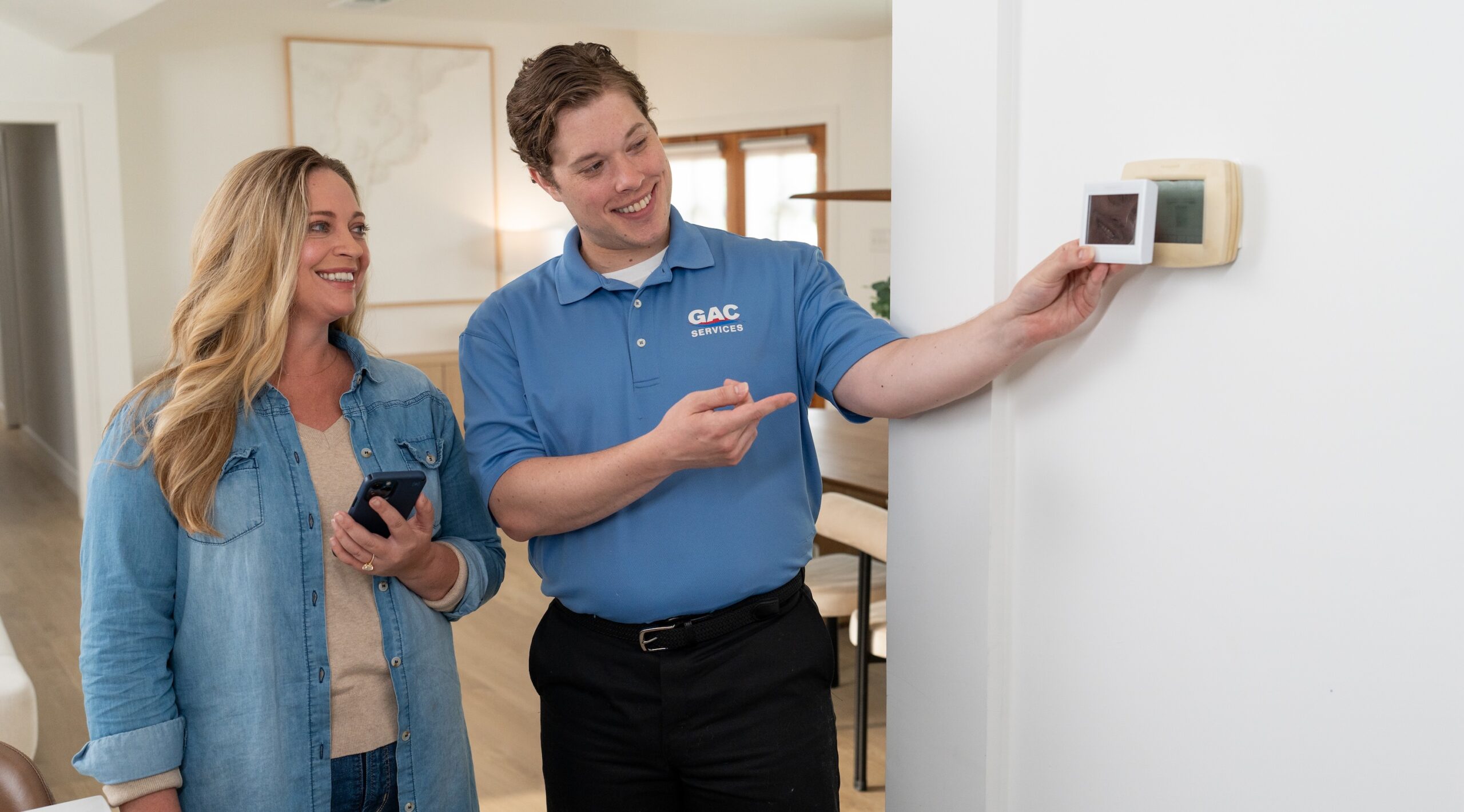
- Faulty thermostats: When a thermostat is off by a few degrees, it keeps the furnace running longer than needed. Calibration or replacement restores accuracy and efficiency.
- Worn parts: Blower motors, bearings, and belts wear down over time. They cause drag on the system and force it to work harder to move air.
- Leaky ductwork: Gaps or cracks in ducts let warm air escape before it reaches your rooms. Sealing ducts will improve comfort and keep heated air where it belongs.
- Ignition or pilot issues: If the ignition system is weak, the furnace can waste gas trying to start. That lowers efficiency and adds unnecessary wear.
How Repairs Save Energy
Repairs do more than stop noises or airflow problems. They restore the balance inside your furnace so it can work the way it should.
Repairs help by:
- Restoring strong airflow and even heating
- Reducing stress on motors and fans
- Preventing short cycling that burns extra fuel
- Improving thermostat response so the system runs only when needed
When everything runs smoothly, the furnace uses less energy and costs less to operate. Many homeowners in Maryland see lower heating bills right after routine repairs.
The Long-Term Payoff
Repairs do more than fix short-term issues. They add years to the life of your furnace and prevent bigger problems down the road.
Benefits include:
- Lower monthly energy costs
- Fewer breakdowns during cold weather
- Longer furnace lifespan
- Quieter, more comfortable heating
Neglecting repairs costs more in the long run. A furnace that struggles all winter burns extra fuel and wears out faster.
Professional Repairs Are Worth It
Some homeowners try to handle heating problems on their own. The trouble is that furnaces use both gas and electricity. Without the right tools or training, you can make the problem worse or create a safety risk.
During a service call, our technicians don’t just replace a part and leave. We check gas pressure, clean burners, inspect the flame sensor, and test safety controls. We also look for early wear that could turn into a problem later, saving you from a breakdown when temperatures drop.
Professional technicians check the entire system. They test for gas leaks, inspect electrical components, and make sure everything meets Maryland safety standards. They also protect your manufacturer's warranty by keeping repairs up to code.
Furnace Repair and Maintenance with GAC Services
The team at GAC Services has been helping Maryland homeowners stay warm for decades. Our licensed technicians handle all major furnace brands and models. We work in Montgomery, Frederick, Howard, Anne Arundel, and Prince George’s Counties.
When you contact GAC Services, you get:
- Professional furnace repair and inspection
- Upfront pricing and clear communication
- 24-hour emergency service when you need it most
- Maintenance plans that help prevent costly repairs
We know how hard Maryland winters can be on a heating system. Our goal is to make sure yours runs efficiently and safely all season long.
Lower Your Heating Bills This Winter
A well-maintained furnace uses less energy, lasts longer, and keeps your home comfortable even when temperatures drop. If your bills have been rising or your system sounds different, it is time to schedule a service call.
You can count on us to keep your home warm, efficient, and safe throughout every Maryland winter.
Contact GAC Services today for professional furnace repair and maintenance in Montgomery, Frederick, Howard, Anne Arundel, and Prince George’s Counties. We will keep your furnace efficient, reliable, and ready for another Maryland winter.
It’s natural for your furnace to produce some noise. However, certain unusual sounds may indicate a problem with your unit.
By understanding common furnace noises and when to seek professional help, you can ensure your heating system operates efficiently and safely throughout the winter months.
5 Furnace Noises to Watch For
From whistling and rattling to squeaking and banging, your furnace can make a lot of weird noises. If you’re wondering why your furnace is so noisy, consider the following sounds and what might be their causes. If all else, call a local HVAC professional for furnace repairs.
1. Whining
A few different problems could be causing your furnace to make a whining noise. It could indicate a damaged blower motor or blower belt. Or, the shaft bearings may need to be oiled.
Blower motor problems are usually caused by worn-out bearings or a worn-out blower belt. Over time, the lubricant in the bearings can dry out, causing friction and a high-pitched whining sound. If your furnace has a belt-driven motor, a worn or loose belt can also create the same noise.
Depending on the severity of the issue, an HVAC technician can easily repair or replace your blower motor and belt, or oil the shaft bearings.
2. Whistling
Problems in your ductwork could be causing an eerie whistling sound coming from your furnace. This is relatively common in older furnaces and should be repaired to prevent further damage.
Common ductwork problems that cause whistling sounds may include:
- Air Leaks: Holes or gaps in your ductwork can cause air to escape, creating a whistling sound.
- Restricted Airflow: If too many vents in your home are closed or your ducts are clogged with debris, it can increase air pressure, leading to whistling.
- Loose Ductwork: Vibrating or loose ductwork may produce a whistling sound.
If notice any whistling noises, reach out to a certified technician for air duct sealing and repairs.
3. Banging or Clanging
If you hear a loud banging or booming noise when your furnace starts, it could be caused by expanding and contracting air ducts. If there is too much static pressure in your furnace’s ductwork, it can expand and make a loud banging noise. There can be several causes of high static pressure, including undersized ducts, closed supply vents, or dirty air filters.
Banging noises in your ductwork can also be caused by oil canning. Oil canning means there is a weak spot in the ducts that requires more support. You can fix this issue by screwing a thicker piece of metal onto the weak spot.
You may also have an issue with piping if you hear a banging or clanging noise. The pipes sometimes contract as they cool down. Or, a banging noise could indicate dirty burners or a defective gas valve.
To determine the exact cause of why your furnace is making a banging noise, it’s best to call a heating professional.
4. Rattling
A rattling noise from your furnace could indicate several issues. This may include:
- Metal Parts Cooling Down: If you hear a rattling sound when your furnace turns off, it is most likely caused by the metal parts cooling down inside the furnace.
- Loose Components: Check for loose panels, ducts, or blower components that may lead to rattling or shaking.
- Heat Exchanger Issues: In severe cases, a rattling sound could indicate a cracked heat exchanger, which is a serious safety concern.
While loose components may seem like a DIY task to fix, it’s always best to contact an HVAC professional just in case something else is causing the rattling noise.
5. Popping
Popping noises from the furnace could indicate delayed ignition, dirty burners, or ductwork expansion. If there is a delay in ignition, a small gas explosion can occur, causing a distinct pop or bang. Accumulated dirt on the burners can lead to delayed ignition as well, creating popping sounds.
As mentioned above, expanding ductwork can also create popping noises. As the furnace heats up, the ducts will expand and contract, sometimes making distinct popping noises.
What To Do If Your Furnace Is Making Noise
If your furnace is making noise, first investigate to see if you can find the cause. Some issues, like replacing an air filter, can be easily resolved on your own.
However, most of the time, unusual noise from your furnace should be handled by a professional. While some homeowners may want to attempt DIY fixes, it’s best to let a professional handle the job. This is for the safety and comfort of you and your family.
It’s time to contact an HVAC professional if you notice any of the following signs:
- Loud, persistent noises
- Noises accompanied by reduced heating performance
- Unusual smells, such as gas or burning odors
- Signs of carbon monoxide poisoning
- Sudden increases in your heating bill
Remember: Never attempt to repair your furnace yourself. Improper repairs can be dangerous, and performing repairs yourself may even void any warranties on your furnace.
Instead, turn to the experts at GAC Services for help. Our HVAC professionals are here to assist you with your furnace needs. If your furnace is making noise, contact us today for repairs.
A furnace “short cycles” when it turns off before reaching the desired temperature. This means that if your thermostat is set to 72 degrees, the furnace may shut down at 65 or 68 degrees, but will never reach 72 degrees. Short cycling can also be used to describe a furnace that turns on and off too often. Most furnaces will turn on and run for several minutes before reaching the desired temperature and shutting back down. This can happen anywhere from three to eight times an hour, depending on the condition of the furnace and the outdoor temperatures. If it cycles too frequently or only runs for a minute or two before turning off, there may be a problem with the furnace.
What Causes Short Cycling?
Furnaces have built-in safety systems that prevent dangerous situations like fires, carbon monoxide leaks, or gas leaks. The most likely cause of short cycling is the fan limiter, which prevents fires and furnace damage by shutting the system down if the heat exchanger becomes too hot. The flue limiter can also shut the system down if the flue is clogged to prevent combustion gas accumulations, and the flame sensor can shut the system down if the igniter has failed.
Several conditions can cause furnace shutdowns, including:
- A malfunctioning thermostat – If the thermostat is not operating properly, it can cause the furnace to cycle too frequently. Some thermostats require batteries, which should be changed every six months.
- A clogged air filter – If the air filter is clogged, the blower fan may not be able to move enough air over the heat exchanger. This can allow the heat exchanger to overheat, tripping the fan limiter and shutting the system down.
- A clogged flue – If the flue or vent pipe has been damaged, an object has fallen into it, or a pest like a bird or rodent has made a nest in it over the summer, the flue limiter will shut down the furnace to protect you from carbon monoxide poisoning and other dangers.
- A dirty flame sensor – The flame sensor, or the thermocouple on older furnaces, senses the presence of flames at the burner and allows natural gas to flow. A dirty flame sensor or damaged thermocouple will shut off the gas valve and the furnace. This prevents natural gas accumulations that could cause a fire.
- A damaged igniter – If the hot surface igniter on newer furnaces is not working, or the pilot light goes out on older models, the furnace will shut down to prevent gas accumulations.
- A fan limiter failure – The fan limiter prevents the heat exchanger from becoming hot enough to start a fire or damage the heat exchanger itself, like cracks that could lead to carbon monoxide leaks. If the fan limiter is not working properly, it may shut the furnace off prematurely.
- An oversized furnace – If your furnace is too large for your home, it may cycle on and off frequently. While this is not a dangerous condition, it could lead to increased energy usage and higher utility costs.
Though it may be inconvenient when your furnace shuts down for something minor, like a clogged air filter, such safety features prevent harm to your family and your home.
Furnace Repairs & Maintenance in Maryland
If your furnace is short cycling, talk to our team at GAC Services. We can quickly repair most problems that would cause a furnace to short cycle, and we offer furnace repair services throughout Maryland, including Bethesda, Gaithersburg, and the surrounding areas. We can also prevent problems from happening in the first place with our annual furnace maintenance services, which include preventative maintenance like changing the air filter, cleaning the flame sensor, and testing the igniter.
Contact us online to schedule furnace services near Gaithersburg today!
Installing your own furnace may seem like a great way to save a bit of money, but it takes years of experience to learn how to install one properly. A faulty heating system installation can lead to many problems, from inefficient operation and high utility bills to dangerous carbon monoxide exposure or increased risk of fire.
So, is it legal to install your own furnace? Well, to an extent. While you may be able to install the actual unit yourself, other aspects need to be completed by licensed professionals. For example, in nearly all areas of Maryland, permits are required to complete the work, and steps like connecting to the gas line may be illegal without the assistance of a licensed contractor.
4 Common Furnace Installation Problems
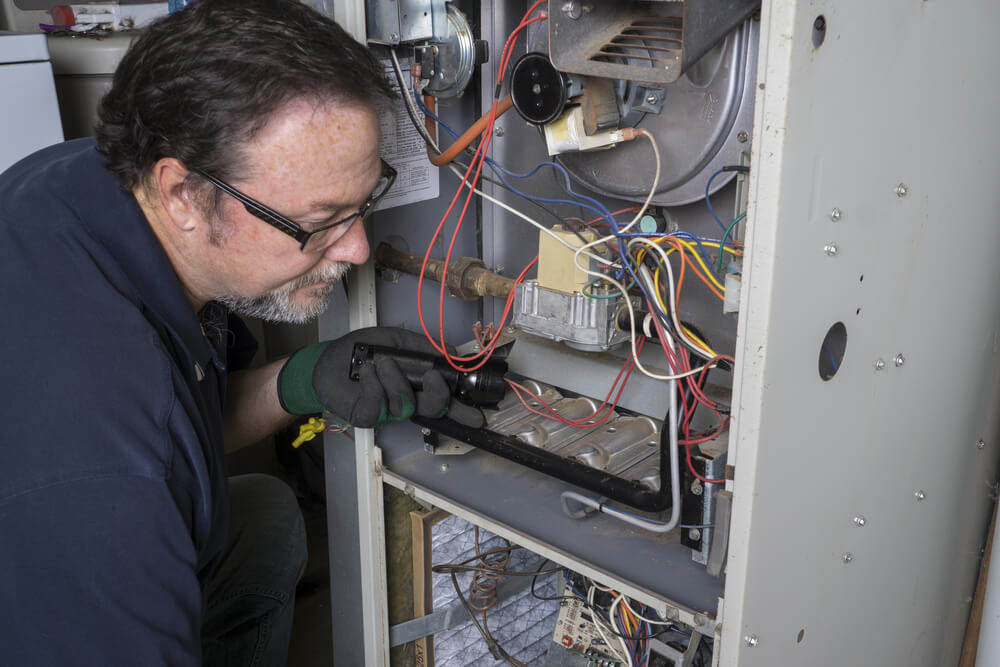
If you are wondering how to install a new furnace, you should know that it is not an easy task. It requires an extensive amount of knowledge and experience to do it properly. Even HVAC contractors can occasionally make mistakes, and some, such as improper installation of the flue or gas connections, could have deadly consequences.
Here are some of the most common DIY furnace installation mistakes.
1. Combustion Problems
Improper installation of your furnace and flue can create a number of combustion-related issues. One major concern is the potential for back-drafting, where the furnace fails to expel combustion gases properly, leading to a dangerous buildup of carbon monoxide inside your home.
In some cases, this can result in severe illnesses or, in the worst scenarios, even fatal outcomes. Additionally, gas leaks and inefficient combustion can escalate the risk of fire hazards, making it crucial to ensure a correct installation to safeguard your home's safety.
2. Improper Sizing
To guarantee your furnace operates efficiently and doesn't drain your wallet with high gas bills, accurate sizing is essential. Simply estimating the furnace size based on a rule of thumb won't suffice. A comprehensive Manual J load calculation is necessary, taking into account various factors such as your home's dimensions, room count, layout, occupancy levels, window sizes, and insulation quality, among others.
A precise sizing calculation ensures that your furnace is neither too big, which can lead to frequent on-off cycles and energy wastage, nor too small, which could result in insufficient heating capacity.
3. Reliability Issues
Improperly installed furnaces tend to encounter reliability problems and may break down more, resulting in a shorter lifespan. This will then lead to inconvenient and costly repair expenses. Professional installers will ensure that your furnace is connected properly and runs as intended. This will minimize the chances of untimely breakdowns and lower maintenance costs.
4. Warranty Problems
Furnace manufacturers require professional installation for full warranty protection. If you install the furnace yourself and there are problems in the future, it may not be covered by the warranty. This means that you will likely have to pay for the repairs yourself, even if a manufacturer defect caused the original failure.
Choosing to have your furnace uninstalled by an expert technician will protect your warranty so you can rely on it in the future. Additionally, warranties usually require furnace owners to regularly maintain their units. Heating professionals can also clean and tune up your furnace so that it performs properly and protects your warranty.
Altogether, the cost to install a furnace yourself is simply not worth the risk for the amount saved. It is always best to enlist the help of a qualified and professional furnace contractor for all of your installation, repair, and maintenance needs.
Turn to Our Experienced Team When Installing a Gas Furnace
When you need a cost-effective and safe furnace installation in the Gaithersburg, Maryland, area, trust our team at GAC Services. Our heating experts can help you choose the best furnace for your home and provide a reliable, energy-efficient installation that will give you years of dependable performance.
We serve homeowners throughout Frederick and Montgomery Counties, and with over 45 years of professional HVAC experience, you can count on us for all your heating and cooling needs.
Contact us online or call us at (301) 685-0544 to schedule an appointment with our team of experts.
If your gas furnace suddenly kicks off, you may be wondering: why is my pilot light not coming on? For homeowners who do not have a lot of knowledge about furnaces, you may be wondering what a pilot light is or how to check if it’s working properly.
That is why it is beneficial to consult heating technicians who can help you find the pilot light on your furnace’s specific model and make sure everything is working as it should.
Need help troubleshooting a pilot light in your gas furnace? Reach out to the furnace and heating experts at GAC Services now!
What Is the Pilot Light & What Does It Do?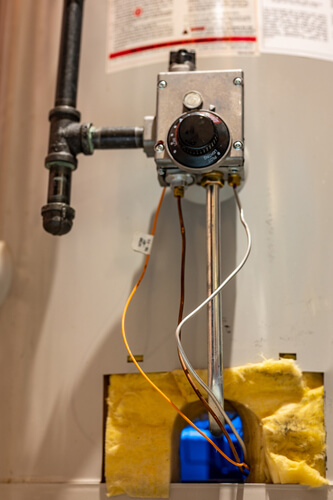
Before you can understand how something works and, thus, how to care for it, you need to know what the thing actually is in the first place. Luckily, any pilot light, be it in a furnace or a water heater, is actually a fairly simple component. In essence, the pilot is responsible for combusting your fuel source.
In an older system, the heating system pushed fuel into the combustion chamber, where it waited to be ignited; this was the pilot's job. When the pilot lit, it used a small gas supply of its own that contacted the igniter on the pilot. This lit it, supplying the flame to combust fuel and heat your home.
In more modern applications, pilots have either been replaced or changed to an electric control system that handles the operation of the pilot on its own, eliminating the need for manual relighting if the flame goes out. Because of this difference, we'll be splitting our explanation up into parts.
How Do I Know if My Pilot Light Is Out?
If your home uses an older furnace system equipped with a pilot, then checking it is actually fairly simple. Just follow these steps:
To check your furnace's pilot, begin by taking off the front cover panel. This will expose the pilot, which looks like a small single burner, similar to a candle or a solitary gas stove flame. If you find no flame at all, the pilot is out.
If you do notice a flame, but it appears weak or shows an unusual color, it could signify a clogged burner assembly. To fix the issue, the burner will need to be thoroughly cleaned. An abnormal flame color looks like anything other than the typical blue or, for a propane burner, a blue-green hue.
To relight the pilot, you’ll need to hold down the knob that controls the gas flow, which should be nearby. Simply depress the value for roughly 20 seconds, then use a long match to relight the flame.
Handling an Electric Heater Pilot Light
An electrical pilot is actually far simpler, as all you’ll need to do is either depress the knob or flip a switch, depending on the furnace model. Within the next half-minute, the pilot should resume normal operation. If it doesn’t, then you’ll want to call a furnace specialist to handle the issue.
Is It Dangerous if The Pilot Light Goes Out?
The worry here is that when a pilot goes out, the gas valve that supplies the fuel for the pilot flame could still be pumping gas. This can mean a buildup of gas, and when the pilot is relit or relights itself, it could result in a very serious explosion.
However, this is much less of a scare in modern days. All furnaces made within the last 20 years or so are typically equipped with a failsafe electrical shut-off valve. This valve operates automatically and shuts off gas flow as soon as the pilot goes out, preventing any risks of excessive gas buildup.
That said, even the failsafe system can malfunction, so any time your pilot is out, be sure to carefully check for any strong gas odors, like the scent of sulfur or rotten eggs. If your furnace smells like any of these scents, do not attempt to relight the pilot if you notice a gas smell. Instead, get help immediately and leave the premises.
Call Our Experienced Technicians if Your Pilot Light Is Out
Are you worried about your pilot light, or do you need help getting it relit and operating safely again? Handling a gas- or oil-fueled system can be scary for anyone, especially if you don’t have the proper experience. No matter your needs, our experienced technicians from GAC Services are here to help!
If your heater pilot light went out and you don’t know how to inspect it or relight it, turn to our team at GAC Services for fast and reliable service. We’ll quickly locate your pilot light and ensure your heating unit is working properly.
Contact us today or call our main office at (301) 835-1095 when you need to relight your furnace’s pilot light in the Gaithersburg, Maryland area.
If your furnace keeps turning off and on, this is called short cycling, and could be caused by a variety of issues. It’s important to look into the possible causes of short cycling right away to prevent any further damage.
Causes of Short Cycling
The first thing you should do when you notice your furnace turning off and on is check your air filter. If it’s clogged, replace the filter immediately, and be sure to regularly check and change your air filter in the future. If a dirty air filter is not the problem, the following issues could also cause your furnace to turn off and on:
- Problems with the circuit board
- Thermostat connections
- Dirty flame rod
- Water in the tubing or pressure switch
- Cracked heat exchanger
- Improperly sized heating system
- Foreign objects stuck in the chimney or vents
- Improper venting or a plugged vent
- Malfunctioning inducer
Because there are a wide variety of issues that could be contributing to your furnace turning off and on, it’s best to have an HVAC professional inspect your furnace and repair any damages. It’s a good idea to schedule regular furnace maintenance services to ensure your Maryland home stays comfortable and efficient throughout the year.
Schedule Furnace Maintenance in Maryland
One of the best ways to avoid experiencing a problem with your heating system cycles is to schedule a fall tune-up. Annual heating maintenance can extend the life of your equipment. It can also lead to an early diagnosis of potential problems
Contact GAC Services to schedule furnace maintenance in Montgomery Country or Frederick County, MD!
As temperatures begin to drop and homeowners start to turn on their heating systems for the first time this season they might take a quick look at their furnace to make sure everything is in proper order. Is the heat on and warm? Check. Okay, time to move on.
Three weeks later you’re surprised to find a puddle of water collecting around your furnace, especially since you know your furnace doesn’t use water to operate. You’re left asking yourself, “Why is my furnace leaking water?”
This is a common question we hear from our neighbors, and there’s a few reasons why your furnace is leaking water. Below, we’ve outlined what might be causing your furnace to leak, but it’s best to let a professional HVAC contractor diagnose the warning signs your furnace is giving you—like leaking water.
Reasons Why Your Furnace Is Leaking Water
1. Condensation Leaks
Modern furnace models are more energy efficient than older units. As these newer heating systems pump cool exhaust away from your unit it may cause an increase in condensation collecting at the base of your furnace and is one reason why your furnace is “leaking” water. If you don’t have a high-efficiency furnace, you may have an incorrectly sized flue pipe, since standard efficiency furnaces do not produce condensation.
2. Clogged Internal Drain
Your furnace shares an internal draining system with your air conditioner. If this drain becomes clogged or plugged it could be redirecting water into the furnace and causing it to leak water.
SCHEDULE HEATING REPAIRS TODAY »
3. Leaky Humidifier
Furnace humidifiers are connected to your home’s plumbing system and use tap water to add moisture to your air. If your humidifier clogs or cracks it will cause water to leak from your plumbing onto your furnace, giving the perception that your furnace is leaking water.
4. Leaky Pipes Near Your Furnace
Similar to a humidifier leaking water onto your furnace, leaky plumbing pipes may also be to blame for your furnace leaking water. Additionally, a clogged plumbing pipe could cause a backup in a floor drain, also making it appear that your furnace is leaking.
5. Heat Exchanger
One of the most expensive repairs if your furnace is leaking water, a malfunctioning secondary heat exchanger could be the cause of a leaky furnace. If you can’t figure out why your furnace is leaking water, call your HVAC contractor to diagnose the issue. If the secondary heat exchanger is broken, it may be time to install a new furnace to replace your old unit.
What Do I Do If My Furnace Is Leaking?
If your furnace is leaking, call a professional heating and cooling company to diagnose and fix your problem. Your furnace is an expensive investment, so attempting to repair the issue yourself could result in creating even bigger issues and expensive repairs.
Furnace Repair in Montgomery County & Frederick County, MD
GAC Services offers furnace repair in Maryland. Located in the town of Gaithersburg in Montgomery County, we also service Frederick County, MD and other communities around us. Our award-winning HVAC technicians will be able to diagnose and repair your furnace in efficiently, helping you lower your repair costs and restoring your comfort to your home as quickly as possible.
Contact us online to request a free furnace repair estimate.
From time to time, your furnace may give off various smells. When this happens, it’s important to get your furnace inspected right away to ensure your safety and the effectiveness of your heating system. Read the GAC Services blog to find out what each smell could indicate, and how to best resolve each possible issue.
Your Furnace Smells Like Rotten Eggs
If you notice your furnace smells like rotten eggs, this probably indicates a gas leak. A lot of gas companies will scent their gas with an unpleasant odor so it’s easily detectable. Because gas leaks can be dangerous, it’s important to turn the furnace off immediately, open up the windows, and call your gas company. They may need to turn the gas off before your furnace is repaired.
Your Furnace has a Metallic Smell
If your furnace smells like burning wires, or you notice a metallic smell, this could mean certain components of the furnace are overheating. It could also indicate that some of the parts in the furnace are actually burning due to old age. Shut off your furnace and contact a heating and cooling expert. If you live in Maryland, Contact GAC Services. We will send one of our professionals out to inspect your furnace and replace any damaged parts.
Your Furnace Smells Like Burning Dust
In most cases, if you smell burning dust coming from your furnace, this indicates that the furnace is burning away any dust that has accumulated since it was last turned on. The smell should go away in a few hours. If the dusty burning smell doesn’t go away, contact GAC Services for furnace repairs. We’ll get your furnace back in working condition in no time so you can enjoy the warmth of your Maryland home all winter long.
Furnace Repair in Maryland
GAC Services offers furnace repair throughout Montgomery County and Frederick County, Maryland. If you live in the Gaithersburg or Frederick areas—or any of their surrounding communities—contact us to schedule furnace repair!
Picture this—it’s February in Maryland. You wake up in the middle of the night to grab a glass of water, and you realize your home is freezing cold. The thermostat reads 58 degrees! Not only is your house cold, but the worst part is you’ll have to wait until the morning to call your local HVAC contractor.
This entire situation may have been avoided with an annual furnace tune-up back in the fall. Most homeowners choose to skip their annual furnace maintenance service because their unit has never broken down before, and they think it’s invincible. However, as the years pass, your furnace will begin to deteriorate. This can be prevented with professional maintenance services.
Our HVAC experts have compiled a list of ten signs your furnace needs repairs or maintenance. If you notice that your furnace is showing any of these symptoms, take immediate action.
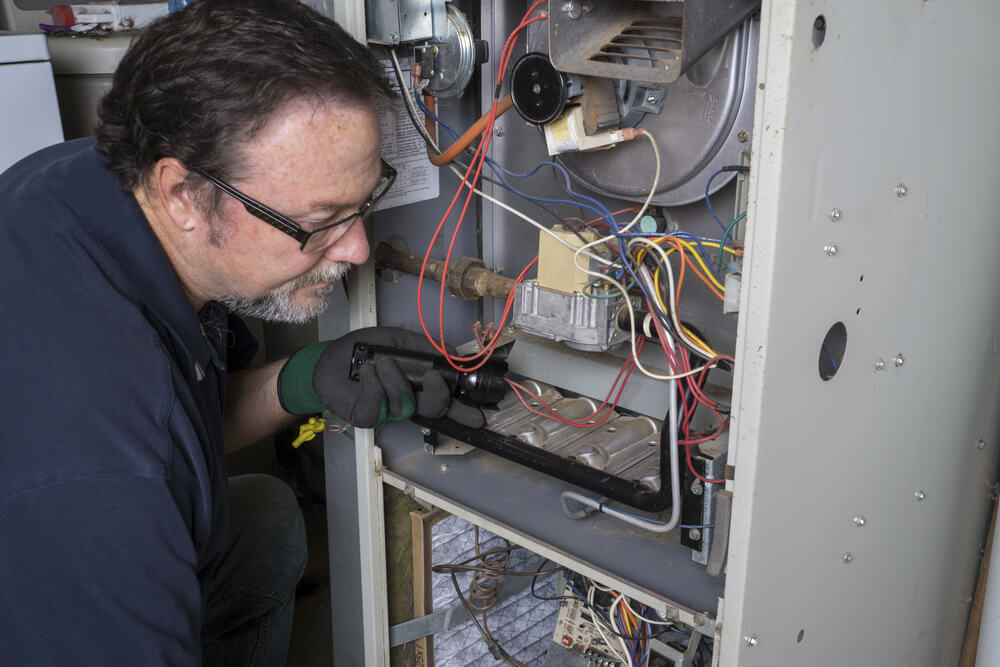
10 Signs You Need a Tune-Up for Your Furnace
Furnaces are complex devices that have a lot of moving parts, components, and connections. If you don’t take care of them properly, you may find yourself replacing the entire system earlier than you ever intended. That’s why, when problems arise, instead of attempting DIY furnace maintenance, it’s beneficial to reach out to professionals who know how to tune up a furnace.
1. There’s No Heat
Perhaps one of the most obvious signs your furnace is going out is if there is no heat flowing through your ductwork and coming out of your registers. Regular maintenance and prompt troubleshooting can help address these issues before they escalate, ensuring your furnace operates efficiently throughout its lifespan. If needed, enlist in furnace repairs from experienced technicians.
2. Your Energy Bills Rise
If you notice your energy bills are increasing each month after turning on your furnace for the season, chances are your heating system is not running at its peak efficiency. A furnace tune-up will ensure all of the components are secure and working properly so your unit will operate as it should.
3. Your Furnace Smells
If you have a gas furnace, it’s normal to expect a faint smell of burnt fuel. But, if the smell is overwhelming or stronger in rooms closer to your furnace, you need a furnace tune-up. If your home smells like rotten eggs or unburnt gas, you need to have your system looked at immediately–before anything hazardous happens.
4. You Hear Loud Banging Noises
Your furnace won’t operate silently. That’s a given. However, if you hear any loud noises, like bangs, cracking, or popping, it means that components, like the blower motor, need to be cleaned, repaired, or replaced.
5. Your Carbon Monoxide Detector Goes Off
A sign that you need an immediate heater tune-up is if your carbon monoxide detector goes off. Carbon monoxide is an odorless, colorless gas that can be fatal if inhaled in excessive amounts. If the carbon monoxide detector is activated in your home, it suggests that your furnace may not be burning fuel completely.
In such a situation, it is crucial to take immediate action. Shut off all gas appliances, including your furnace, open the windows in your home, and promptly contact the fire department. Once your home is declared clear for re-entry, get in touch with an HVAC contractor to diagnose and repair any issues with your furnace.
6. Your Thermostat Readings Are Inaccurate
When you’re cold in your home, the first thing you may do is crank up your thermostat. However, if your thermostat isn’t staying at the temperature you set it at, it’s best to have a technician examine both your furnace and thermostat to find the root cause of the problem.
7. Your Pilot Light Is Yellow or Orange
A blue pilot light is a surefire solution if you’re wondering how to know if your furnace is working properly. If you notice your furnace’s pilot light is yellow or orange, there is definitely something wrong. Turn to a heating specialist to fix the issue.
8. Your Furnace Is Old
As your furnace ages, the need for furnace maintenance becomes more important. The average lifespan of a furnace is ten to 20 years. If your unit is beyond ten years old, it’s vital to have it inspected and maintained every year so it can last as long as possible.
9. Your Furnace Has Needed Frequent Repairs
If you have had your furnace repaired more than once in the past two years, it needs to be taken care of better. Frequent repairs mean that your unit is heavily malfunctioning. Annual maintenance will nip these problems in the bud and enhance your furnace’s efficiency.
10. Your Furnace Turns On and Off Constantly
If your furnace turns on briefly and then shuts off, it's a sign you need a tune-up. This issue could be due to problems like faulty wiring, a fixed fan motor, or a malfunctioning thermostat.
Benefits of Furnace Tune-Ups
Make sure to include furnace tune-ups on your annual fall and winter maintenance checklist, as it will provide you with numerous benefits. Regularly servicing your unit will lead to a longer lifespan, more efficient operation, and other perks, including:
- Improved Airflow
- Improved Indoor Air Quality
- Fewer Repairs
- Reduced Repair Costs
- Improved Energy Efficiency
- Upheld Manufacturer’s Warranty
Now that you know the many signs of needing a tune-up for your furnace, it’s time to have maintenance performed. Our skilled technicians at GAC Services are dedicated to helping you keep your furnace safe and operable. When you need furnace maintenance in Howard County, Montgomery County, or Frederick County, Maryland, contact us to schedule an appointment.
To save money every year, join our priority maintenance program and receive annual maintenance, discounts on repairs, and other cost-effective perks.
Do you have a heat pump and are wondering the best time for a tune-up? Our team is here to help you as well.