



Blog
How to Thaw Frozen Pipes Safely (Maryland Homeowner Guide)
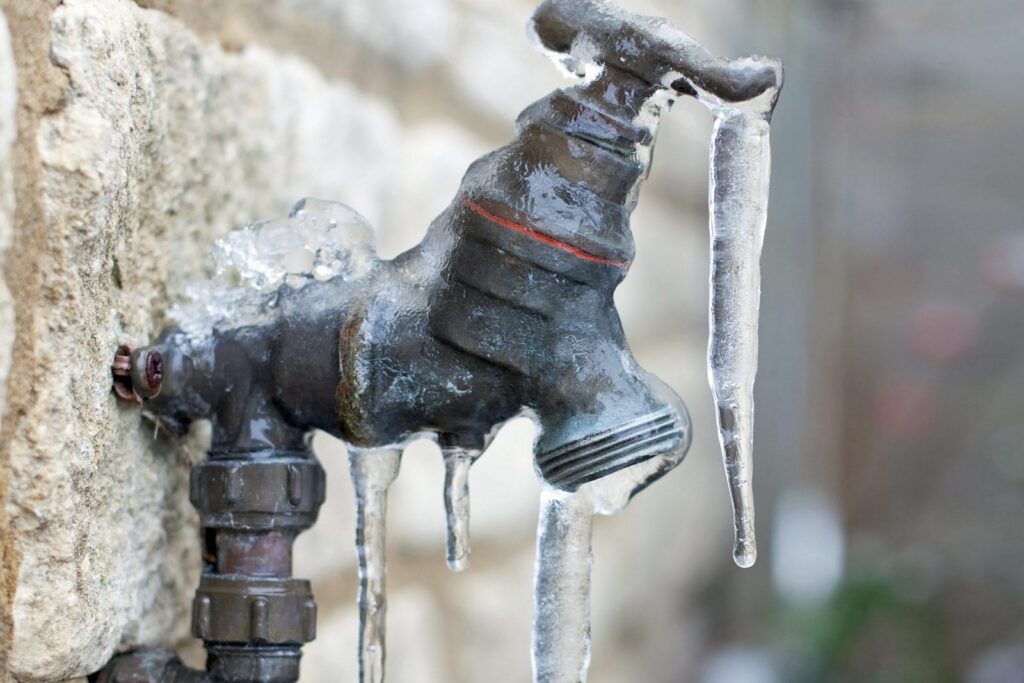
Frozen pipes usually don’t come with much warning. One morning you turn on a faucet and nothing happens, or the water comes out as a weak trickle. In Maryland homes, this often shows up after a cold night, especially in basements, crawl spaces, or along exterior walls. When pipes freeze, pressure builds inside them, and that’s when cracks and bursts happen. Acting early can help limit damage, but how you thaw a pipe matters just as much as how fast you do it.
How to Tell If Your Pipes Are Frozen
Sometimes it’s obvious. Other times it’s not. Common signs include:
- Little or no water coming from a faucet
- Frost or ice on exposed pipes
- A strange smell from a drain or faucet
- Pipes that look swollen or feel solid cold
- Water dripping but no real pressure
If something feels off, it’s better to check than wait.
Before You Start: Safety First
Before doing anything else, take a breath and look around. If you think a pipe has already burst, shut off the main water supply. Turn on the affected faucet so pressure can escape as ice melts. Do not use open flames or anything that could scorch the pipe or nearby materials. Keep heat sources controlled and stay nearby while thawing.
Step-by-Step: How to Thaw Frozen Pipes
Step 1: Find the Frozen Section
Frozen pipes are most often found near outside walls, in basements, crawl spaces, garages, or under sinks. Look for frost, ice, or sections that feel much colder than the rest.
Step 2: Open the Faucet
Open the faucet connected to the frozen pipe. This gives melting ice somewhere to go and helps prevent pressure from building.
Step 3: Use Gentle Heat
Slow, steady heat works best. Good options include:
- A hair dryer
- A space heater placed nearby
- Warm towels wrapped around the pipe
- A heating pad designed for pipes
Start near the faucet and work toward the frozen area. Rushing the process can do more harm than good.
Step 4: Keep Heat On Until Water Flows Normally
Once water starts moving, don’t stop right away. Keep heat on for a bit to make sure all the ice is gone.
Step 5: Check for Leaks
After thawing, look closely. Small cracks often show up as dripping or damp spots. If you see anything leaking, shut the water off and call for help.
What Not to Do
A few things make frozen pipes worse:
- Do not use torches or open flames
- Do not pour boiling water on pipes
- Do not leave heaters unattended
- Do not ignore moisture after thawing
If you’re unsure, it’s okay to stop and get help.
Preventing Frozen Pipes Next Time
Most frozen pipe calls come from the same areas year after year. A few simple steps can help:
- Open cabinets under sinks during cold snaps
- Let faucets drip slightly when temperatures drop
- Insulate exposed pipes
- Seal cold air leaks near plumbing
- Check basements and crawl spaces before winter
These small steps often make a big difference.
When It’s Time to Call a Plumber
Call for Maryland frozen pipe help if:
- A pipe bursts
- Thawing does not work after about 30 minutes
- Water pressure does not come back
- You see leaks or water damage
Frozen pipe repair is time sensitive. Waiting usually makes the cleanup worse.
GAC Can Help With Frozen Pipe Emergencies
We see frozen pipe emergencies every winter across Central Maryland. Our plumbers handle frozen pipes, burst pipe repair, and winter plumbing problems safely and quickly. If you’re dealing with a frozen pipe and aren’t sure what to do next, we’re here to help.
Schedule service online or contact us when you need help.
Schedule OnlineFrequently Asked Questions
Sometimes, but pressure builds as they thaw, which is why bursts often happen afterward.
It depends on where the pipe is and how frozen it is. Some thaw in minutes, others take longer.
Not always, but the risk increases the longer they stay frozen.
Yes. They can still freeze and be damaged.
Risk increases once temperatures drop below freezing, especially in unheated areas.